


News
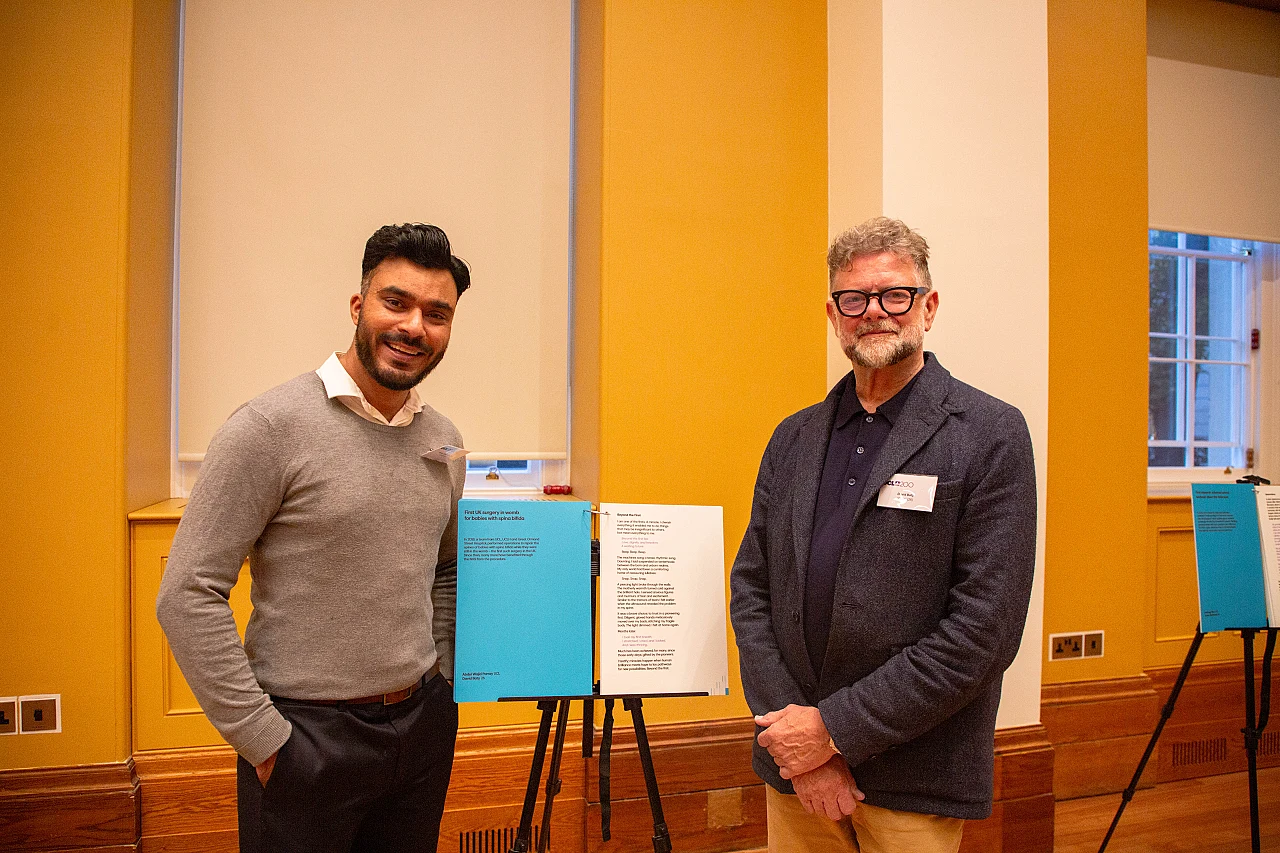
Writing from the womb for UCL’s Bicentenary
UCL Student Abdul Wajid Parray writes about his experience taking part in this collaborative project with 26 Writers
Read moreBloomsbury Festival's 20th Anniversary: 1 - 31 October
DonateA creative explosion of arts, culture and science


What better way to start this year’s Bloomsbury Festival than with the spectacular and stunning performance by Parbati Chaudhury’s Kathak students, an ancient dance form from India, and what would be best described as Indian ballet. From the Vedic Sanskrit word ‘Katha’ which means “story”, and Kathakar which means “the one who tells a story.” Kathak dancers are special and mesmerising storytellers, conveying tales, inspired by Indian old epics and mythologies, incorporating stories revolving around the Hindu deity Krishna and his childhood.
This evening at the Conway Hall for the Bloomsbury Festival the Kathak dancers entranced us with their rhythmic foot movements, adorned with small bells (Ghungroo), which harmonized with the soulful music provided by the Tabla (a type of Indian drum) and the sitar. Every movement from these performers means something, from the graceful hand gestures to the extensive footwork that reflect Kathak’s links to Flamenco. A Kathak performance pulls you in, just like a story in a book.
It is said that Kathak originated when Lord Krishna appeared in the dream of his female devotee, called Ishwari, where he instructed her to develop dance as a form of worship. When the Mughals invaded India, they influenced Kathak. The emperors became patrons of this dance form and actively promoted Kathak in their royal courts. It became a source of sophisticated entertainment and was redefined to lay more emphasis on the dance’s graceful, expressive, and sensuous aspects. Kathak performances started to incorporate Urdu Ghazals (songs) and commonly used instruments brought during the Mughal period, making this the only Indian classical dance form to carry Persian elements. It was under the British Raj, that this dance form declined, as the gestures and facial expressions were labelled seductive and erotic, and the heritage of the dance form was questioned.
Tonight’s performance took me back to my twelfth birthday, when my parents took me to see a Kathak dance performance. I was spellbound then and spellbound now, with the romance of lyrical movement to poetic sentiment, whirling through virtuosity of spins and rhythmic calculations. This is the dance of storytellers.
Continue reading
UCL Student Abdul Wajid Parray writes about his experience taking part in this collaborative project with 26 Writers
Read more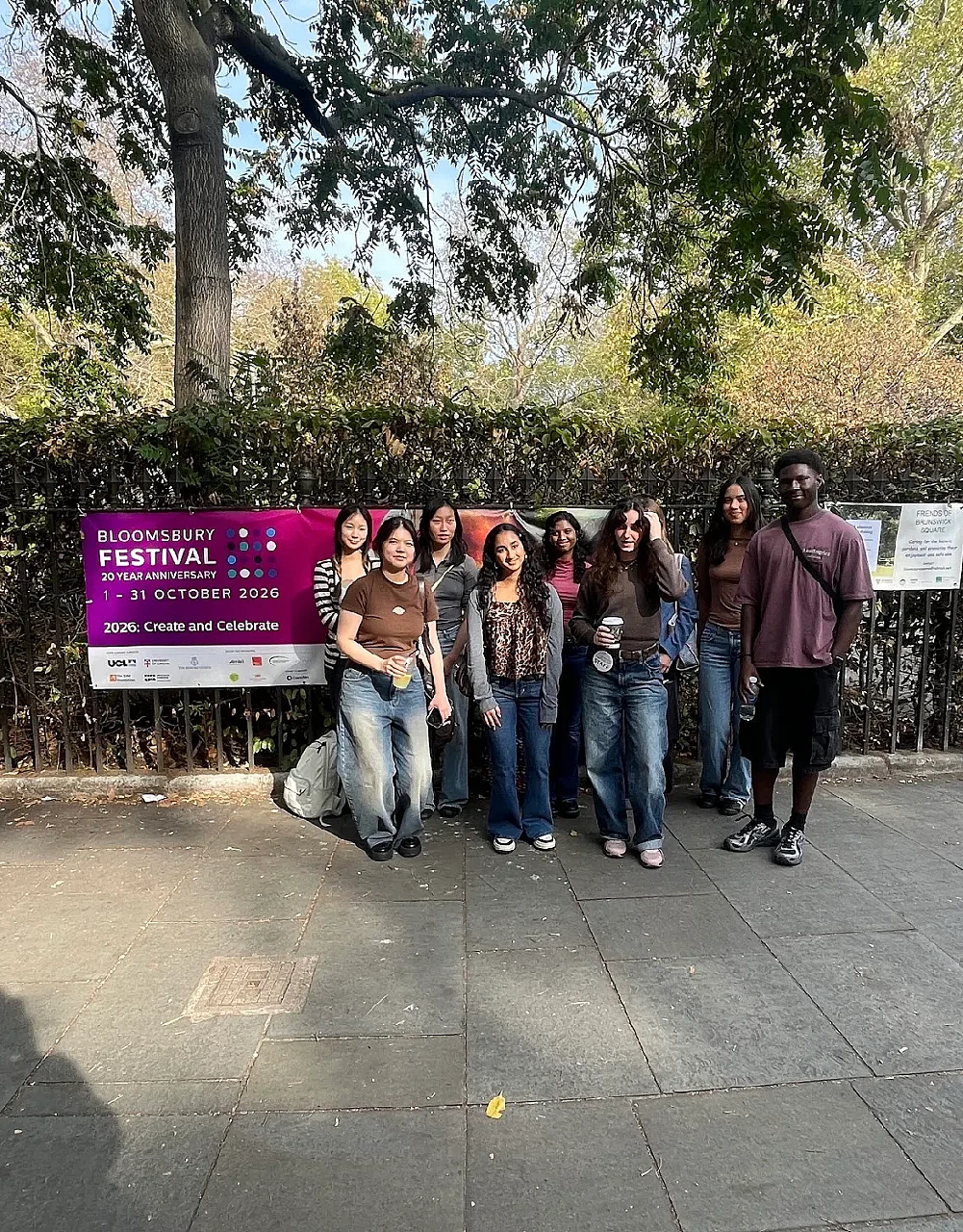
Royal Central School of Speech and Drama student Pia Marr reflects on Festival events.
Read more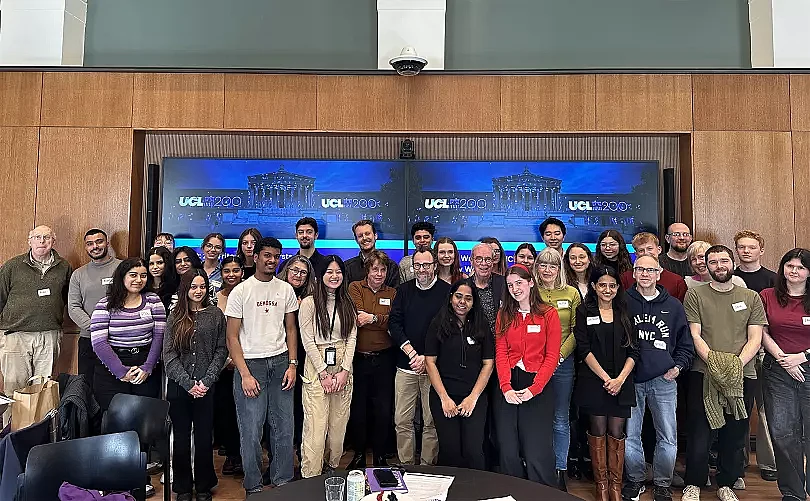
26 Firsts brings together a collection of original pieces that showcase student voices, creativity and perspectives through an exploration of UCL's past.
Read moreWe use essential cookies to make this site work. With your permission we would also use analytics cookies to count which pages people visit, so we can improve the site. Read our Privacy Policy.
These cookies allow us to measure traffic and analyse your use of the website. This helps us improve the way the site works.
These cookies are necessary for the website to function and cannot be switched off. They are usually only set in response to actions made by you which amount to a request for services.