


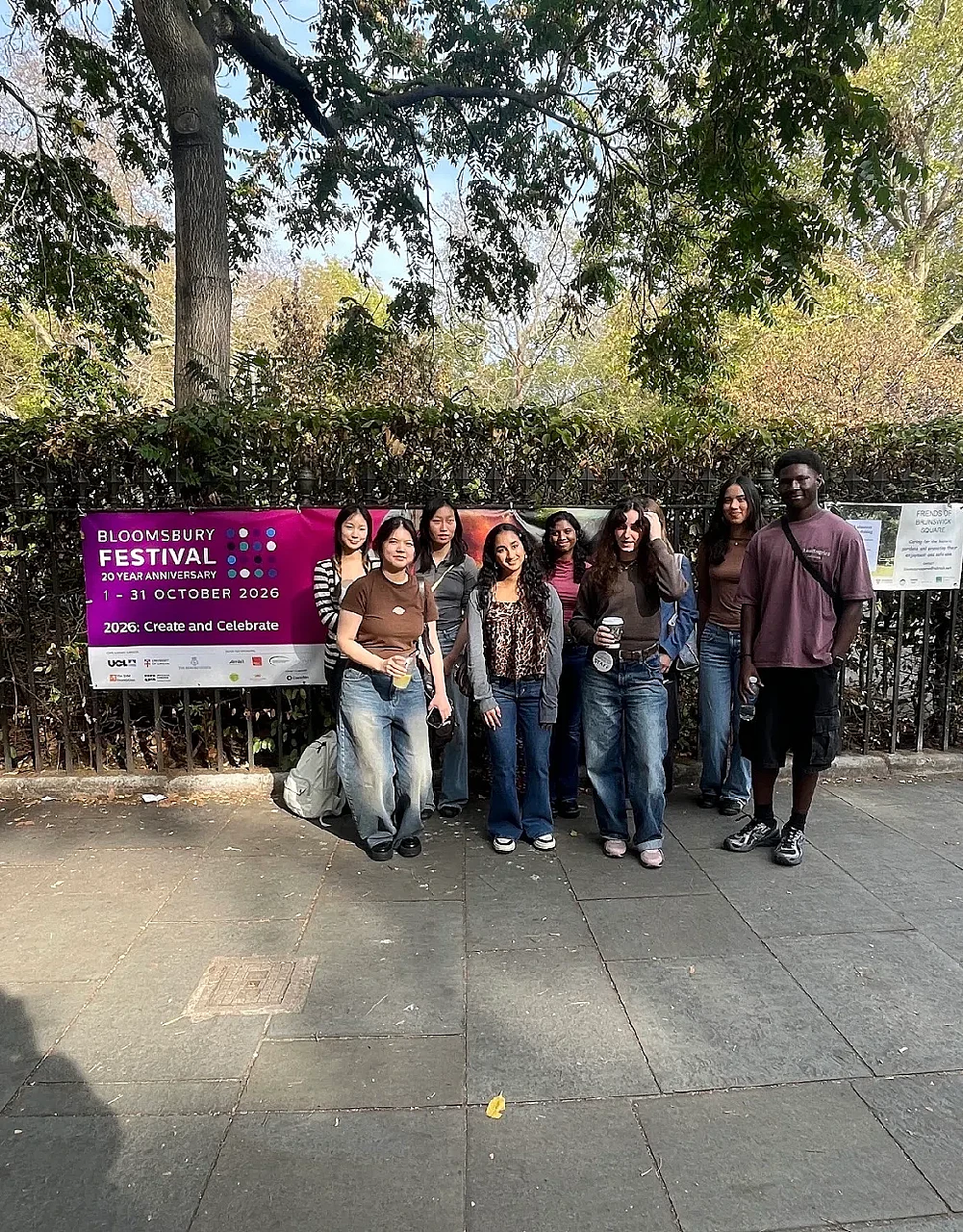
News
Festival Blog
Royal Central School of Speech and Drama student Pia Marr reflects on Festival events.
Read moreBloomsbury Festival's 20th Anniversary: 1 - 31 October
DonateA creative explosion of arts, culture and science


The Foundling Museum should be renamed the Museum of Tears. For though the Foundling Hospital saved many a child, the stories of separation are heart-breaking. Hard as it is to birth a baby, it is harder still to walk away as Lucy Strange did in 1773. Born in the East Indies, she was sent to England by her master with the care of his child. ‘Debauched’ on the voyage, she became pregnant. Unable to support her son and needing to return to her master in the East Indies, Lucy left one month old Christopher Rowland with the Foundling Hospital. It was a breath-taking tragedy for both parties and, despite being cared for, Christopher was dead within three months.
Mary Wollstonecraft, philosopher, writer and advocate of women’s rights, lived for a time in Store Street, moving to the then village of Newington Green, to breathe ‘the sweet air of liberty’. She had two daughters: Fanny and, three years later, Mary. At sixteen, the young Mary ran off with Percy Bysshe Shelly and, later, wrote Frankenstein. How many readers have read, by candlelight or torchlight under bedclothes, that novel and found themselves so frightened they were unable to breathe?
‘Let’s love, listen, take time when time is all we have,’ reads the commemorative plaque on Tricia Cadden’s bench in Russell Square. A Bloomsbury resident from Scotland, she died in 2018.
Memorialised now, though still missed and loved.
A white tepee in a Baptist church is a specially created haven for those seeking sanctuary from the rush and bustle of London. A young woman holding her baby wrapped in a blanket, kicks off her shoes and enters, settling on its floor of rugs and cushions. She feeds her infant who falls from her breast, asleep. She lays the child down, settles herself alongside, closes her eyes, breathes out a relaxing exhalation and dreams.
All of life is here, if you only look.
Hester Thomas visited the Foundling Museum to see its exhibition Tiny Traces: African and Asian Children at London’s Foundling Hospital; went on a walk led by Roberta Wedge who talked about Mary Wollstonecraft’s Bloomsbury; was drenched when the heavens opened on Dr Birgitta Huse’s tour and talk: Bloomsbury Benches: Powerful Places for People; and caught her breath in Bloomsbury Central Baptist Church at the installation Rest is Protest – Uplight.
Continue reading
Royal Central School of Speech and Drama student Pia Marr reflects on Festival events.
Read more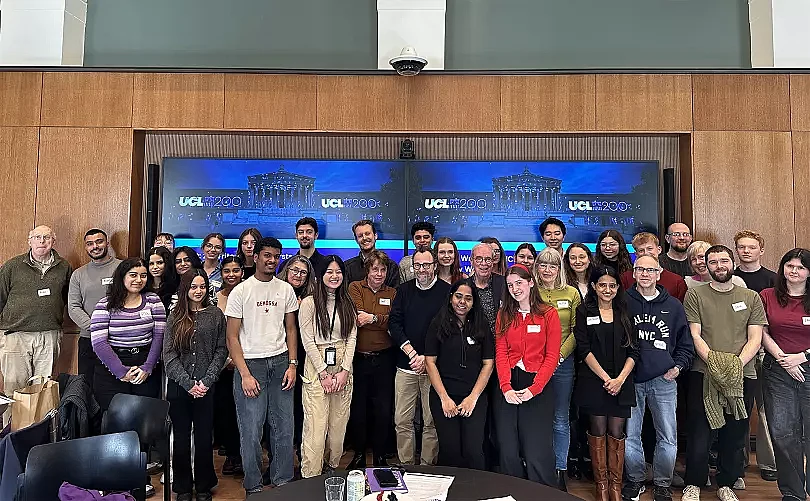
26 Firsts brings together a collection of original pieces that showcase student voices, creativity and perspectives through an exploration of UCL's past.
Read more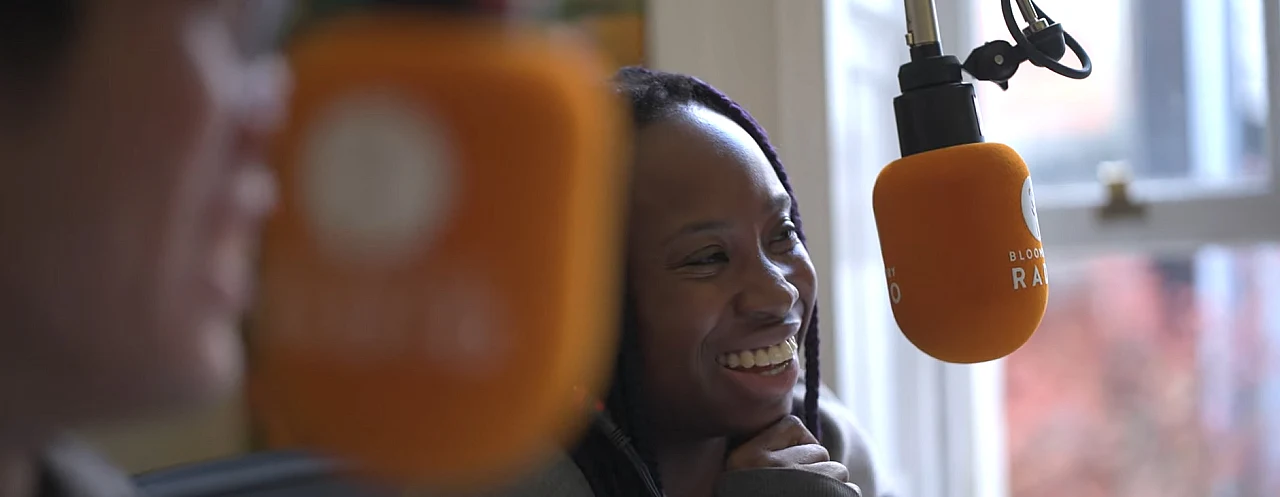
Broadcasting throughout the Festival from 3pm daily - check out this week's Bloomsbury Radio schedule here.
Read moreWe use essential cookies to make this site work. With your permission we would also use analytics cookies to count which pages people visit, so we can improve the site. Read our Privacy Policy.
These cookies allow us to measure traffic and analyse your use of the website. This helps us improve the way the site works.
These cookies are necessary for the website to function and cannot be switched off. They are usually only set in response to actions made by you which amount to a request for services.